
Passenger Ferry Travel Basics: Check‑in, Boarding, and Seating Explained
Passenger ferry travel can feel unfamiliar if you usually rely on buses, trains, or planes. This guide walks you through typical terminal navigation, foot passenger check‑in, boarding and luggage rules, seating choices, and what onboard facilities to expect on different routes and operators.
Overview of Passenger Ferry Travel
Passenger ferry travel is public transportation over water, carrying people across rivers, bays, lakes, and coastal routes where bridges or tunnels are limited or would mean long detours. In many port cities and island communities, ferries work like a water based bus or commuter rail line, taking residents to work, school, or medical appointments. Visitors also ride ferries for sightseeing and to reach beaches, historic sites, or nearby islands. On most routes, the ticket price mainly covers the crossing, and amenities on board vary by operator and vessel type.
Compared with buses or trains, ferries add a scenic water trip but are more affected by weather and water conditions. Operators may adjust schedules or cancel sailings during storms, heavy fog, or high winds, and each company sets its own rules for check in times, luggage, seating, and onboard facilities such as restrooms, snack bars, or Wi‑Fi. Because there is no single nationwide standard, passengers usually need to review the specific ferry company’s timetable, policies, and vessel information to understand what to expect for their route.
Finding Your Way Around the Ferry Terminal
When you enter a ferry terminal, signs and staff usually guide you from the entrance toward ticketing, check-in, restrooms, and waiting areas. Larger facilities often have separate access for walk-on passengers and for those arriving from buses, trains, or parking garages, while smaller docks may consist of a single building and ramp. Inside, overhead signs or floor markings point to ticket counters, self-service kiosks, and boarding gates. Security procedures differ by operator and route, but you can expect at least some observation of bags, safety announcements, and restrictions on hazardous items. Arriving a little early helps you move through these steps without rushing, especially during busy commute periods, holidays, or when the terminal is unfamiliar.
Accessibility features are common but not identical, so look for symbols that indicate elevators, ramps, and accessible restrooms as you enter. Many terminals mark accessible routes from parking and drop-off areas to the main building and provide seating where passengers can wait before boarding. Departure boards or posted schedules usually show current sailings, gate numbers, and delays, while some smaller locations rely on paper timetables and audio announcements. If you are unsure which corridor or gate leads to your ferry, confirming with uniformed staff at information points, ticket desks, or near security is often the quickest way to make sure you are headed toward the correct boarding area.
| Terminal Stage | What to Look For | Why It Matters | Suggested Passenger Action |
|---|---|---|---|
| Entrance and Arrival | Exterior signs, staff near doors | Confirms correct terminal and route | Arrive early and verify destination |
| Ticketing and Check-In | Counters, kiosks, walk-on lanes | Ensures valid fare and boarding pass | Follow posted queues and keep ID ready |
| Security and Screening | Bag observation, safety notices | Reduces hazards and delays | Remove restricted items and follow instructions |
| Waiting Areas and Facilities | Seating, restrooms, departure boards | Keeps you comfortable and informed | Stay near your gate and monitor updates |
| Accessible Routes | Elevator icons, ramp markings | Supports mobility and safety needs | Choose clearly marked accessible paths |
| Boarding Gates and Corridors | Gate numbers, directional arrows | Prevents boarding the wrong ferry | Confirm gate with staff if uncertain |
Foot Passenger Check-In and Security
Foot passengers usually follow terminal signs to a walk-on check-in area, separate from vehicle traffic. Staff or self-service machines confirm your booking with a code or barcode, and some routes also require a government-issued photo ID, especially when crossing borders or under stricter security rules. Arrive early enough to sort out reservations, payment, or accessibility requests, as check-in cut-off times and procedures differ by operator.
After check-in, you may pass through a light security zone with bag checks, metal detectors, and rules limiting hazardous materials, fuel containers, and certain tools or sports equipment. Security staff can refuse items they consider unsafe. Once cleared, passengers wait in a designated lounge or staging area until boarding is called, then follow terminal signs and staff directions to the correct gangway or boarding lane.
Boarding Procedures and Luggage Guidelines
For foot passengers, boarding a ferry usually starts well before departure. Many operators ask travelers to reach the terminal 30 to 60 minutes in advance for ticket checks, security screening, and the walk to the gate. Check-in may be handled at a staffed counter, self-service kiosk, or gate where barcodes or passes are scanned. After check-in, passengers are directed to a waiting area until boarding is announced, sometimes with priority for certain destinations, timetables, or passengers with specific accessibility needs. On some routes, government-issued photo identification is required because of additional security regulations.
Once boarding begins, terminal staff guide foot passengers along marked ramps or gangways leading to the passenger decks. Travelers are expected to stay within designated lanes, follow safety instructions, and keep clear of areas reserved for vehicles or crew. Those who need mobility support or extra time can usually request assistance, although the type of help and equipment depends on the operator and route. Boarding generally closes shortly before the scheduled sailing time, and late arrivals may be refused and moved to a later departure if conditions allow, so observing posted cut-off times is important.
Luggage rules on passenger ferries tend to be more flexible than on airlines, but they still follow operator policies. Many services allow passengers to keep their own bags with them, as long as items can be safely stowed under seats, on shelves, or in luggage racks without blocking aisles or exits. Some routes offer a checked or tagged baggage system for larger pieces, which are stored separately and collected after arrival. Restrictions commonly apply to hazardous materials and oversized cargo. Because limits, fees, and storage arrangements differ between companies, travelers are advised to review baggage information for their specific route before setting out.
Packing and Handling Bags for Ferry Travel
When packing for passenger ferry travel, assume you will keep your bags with you unless the operator clearly offers checked baggage. Choose luggage you can safely lift on stairs, ramps, and narrow aisles, and avoid oversized or very heavy items. Label each bag inside and out with your name and a phone number so it can be identified if separated from you while boarding or disembarking.
Carry medications, travel documents, payment cards, electronics, and a light layer in a small bag you keep with you instead of in larger luggage that might be stored away from your seat. Follow the ferry company’s rules for liquids, sharp objects, and tools, as these may resemble security rules at other transport terminals. If you bring wheeled bags, make sure they stand securely without blocking walkways or exits, and be prepared to carry them if lifts or ramps are busy or unavailable.
Seating Options and Onboard Facilities
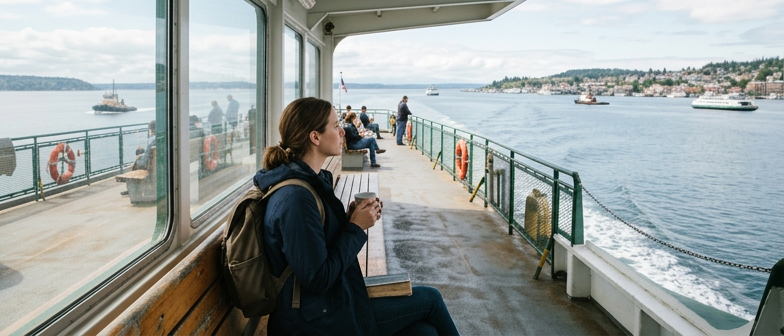
On many passenger ferries, foot travelers choose between indoor lounges and open deck seating. Some services use unassigned seating where you sit anywhere available, while others sell reserved seats or cabins on longer or busy routes. Indoor areas usually have airline-style seats, tables, or booths suitable for reading, working, or eating, and quieter corners may be found away from doors and food counters. Outdoor decks offer benches and rail space with fresh air and views but provide limited shelter, so it can feel windy or uncomfortable in bad weather. Priority or accessible seating is often placed near entrances, elevators, or restrooms for passengers with reduced mobility, older adults, or families, but the exact layout depends on the vessel and operator.
Onboard facilities aim to cover basic comfort and safety rather than luxury, and the range of services depends on route length and vessel size. Restrooms are standard, and many ferries have a snack bar or simple café with drinks and light meals, though opening hours and menus can be limited. Larger ships may add a more extensive food counter, vending machines, or a small shop, whereas short commuter routes may offer only seating and toilets. Wi‑Fi and power outlets are increasingly common but not guaranteed, and coverage can be weak or unavailable in remote areas. Accessibility features often include ramps or lifts between decks, accessible toilets, and clear signs, and passengers who need specific support are usually advised to check details in advance and speak with crew on board.
Q&A
-
How does passenger ferry travel differ from a cruise or sightseeing boat?
A passenger ferry is mainly point‑to‑point transport on a fixed schedule, similar to a bus or train. Cruises and sightseeing boats focus on leisure routes, longer trips, and packaged activities instead of short connections. -
What should I expect when moving around a ferry terminal?
You usually follow signs to ticketing, check‑in, restrooms, and waiting areas. Larger terminals may separate walk‑on passengers from vehicles and from other transport links. If anything is unclear, ask staff for directions. -
How does check‑in work for foot passengers?
Walk‑on travelers go to a dedicated desk or kiosk, show a ticket or scan a code, and on some routes present government‑issued photo ID. Operators set their own cut‑off times, so arrive early. -
What luggage rules are common on ferries?
Most routes expect you to keep bags with you instead of checking them. Bring only what you can carry on ramps and stairs, label bags, and confirm size or hazardous‑item limits with the operator. -
What seating and facilities are usually on board?
Many ferries have indoor lounges, outdoor decks, restrooms, and simple food or drink. Seating is often first‑come, first‑served, though some longer routes sell reserved seats or cabins and have accessibility features.