
Used Car Test Drive Checklist and Key Inspection Steps
When you are choosing a used car, a structured test drive checklist helps you look past first impressions and seller pressure. This guide walks through key history questions, interior and control checks, and simple brake, steering, and suspension tests so you can take clear pre‑purchase notes.
Why a Structured Used Car Test Drive Checklist Matters
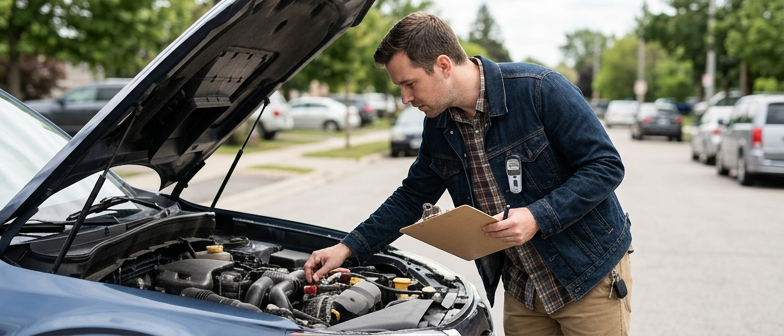
A structured Used Car Test Drive Checklist keeps your attention on specific details instead of quick impressions. When you meet a seller, styling, price, or pressure can distract you. A written list guides you through the drive in an organised way, from starting the engine to parking at the end. By following the same steps for each vehicle and writing clear pre purchase car notes, you build a record of how the car sounded, felt, and behaved, which helps when you compare options or talk with a mechanic later.
Using a checklist will not guarantee a trouble free car, but it makes it easier to notice issues that deserve a closer look. It reminds you to watch for unusual noises, warning lights, or controls that feel inconsistent, even when you are thinking mainly about price. When your test drive notes are specific rather than based on memory, you can review them calmly at home, compare different vehicles, and decide whether a professional inspection is worth paying for before you commit.
Pre-Drive Preparation and Vehicle History Questions
Before you start the test drive, pause and walk through a simple used car test drive checklist. Ask for service records and compare mileage, model year, and trim with the listing and title to confirm they match. Scan maintenance logs, repair invoices, and inspection reports, focusing on dates and repeat problems that you may want to feel for on the road. Check whether recall work appears in the paperwork and note any long gaps in service that might hint at skipped routine care. Having this information in mind helps you connect later driving impressions with the car’s documented past.
Use clear vehicle history questions and capture the answers as concise pre purchase car notes you can review later. Ask how long the seller has owned the car, why they are selling, and whether it has ever had accident damage, flood exposure, or major repairs such as engine or transmission work. Confirm whether the title is clean, rebuilt, or otherwise branded, and whether any warranty or service contract will transfer to you. As you listen, write short, factual notes on claims that you want to verify during the drive, such as previous steering or suspension repairs. These notes keep your test drive inspection organized and tied directly to what you have learned about the car’s history.
| Checklist Item | What to Ask or Verify | Notes to Capture | Priority Level |
|---|---|---|---|
| Ownership and use history | How long owned and typical use | Short note on usage pattern | High |
| Title status and paperwork | Title brand and document match | Any concerns about title wording | High |
| Service and repair records | Frequency of maintenance and major work | Repeat issues or big repairs | High |
| Accident or damage history | Accidents, flood, or structural repairs | Areas to watch during test drive | Medium |
| Recall and warranty coverage | Completed recalls and transferable coverage | Items to confirm with provider | Medium |
| Steering, suspension, and brakes claims | Past work on steering, suspension, or brakes | Specific sensations to check while driving | Medium |
Key Questions to Ask About the Car’s Past
Before you start your used car test drive checklist, ask focused vehicle history questions and keep clear pre purchase car notes. Find out whether the car has been in accidents, had major repairs, or suffered flood or hail damage, and request service records to see how regularly it was maintained. Clarify how many owners it has had, how it was used day to day, and why it is being sold. If a vehicle history report is available, compare the seller’s answers with the report, checking mileage and any title issues. Use what you learn to shape your test drive inspection, paying closer attention to brake feel, steering response, or suspension noises when there is a record of collision repair or heavy use.
Interior and Controls Check During the Test Drive
During a used car interior check, confirm the driving position feels natural and gives good visibility. Adjust the seat, steering wheel, and mirrors so you can reach pedals and controls without stretching. As part of your test drive inspection, make sure seat adjustments, lumbar support, and seat height move smoothly without sticking or strange noises. Check door locks, windows, and child safety features from both the front and rear seats. While driving, listen for rattles or excess wind and road noise, and note how easy it is to read the gauges and use climate controls without losing focus on the road.
Once you are moving, see how well essential controls respond, including turn signals, headlights, wipers, and the horn, because they are critical for safety. Test the infotainment system, Bluetooth, and navigation to confirm they connect to your phone and work reliably. Watch how warning lights behave on the instrument cluster at start‑up and while driving, since persistent alerts may require further mechanical checks before purchase. Try the heater and air conditioning at different settings to ensure they keep the cabin comfortable. Throughout this interior and controls check, write brief pre‑purchase car notes so you can compare vehicles later and remember which one felt easiest and safest to operate.
Evaluating Comfort, Visibility, and Everyday Use
During your test drive inspection, treat the cabin like your everyday workspace. Begin your used car interior check by adjusting the seat, steering wheel, and mirrors to see if you can reach pedals and controls without stretching or feeling cramped. Pay attention to seat support and whether you could stay comfortable on longer trips. Make sure climate, audio, and window switches are simple to use without taking your eyes off the road. Look carefully for blind spots created by pillars, the dashboard, or headrests, and note how much of the road you can see in different seating positions. Practice backing into a parking space and checking cross traffic to confirm that visibility and ergonomics make routine driving feel natural rather than tiring.
On-Road Mechanical Checks: Brakes, Steering, and Suspension
During the test drive inspection, use everyday driving to judge how the car slows and stops. Start your brake feel test with gentle braking at low speeds, then build up to firmer stops where it is safe. The pedal should feel stable, not sinking, pulsing, or needing excessive pressure. Notice whether the car stays straight under braking or pulls to one side, which can point to uneven wear or hydraulic problems. Grinding, squealing, or metallic noises often suggest worn pads, rotors, or other brake parts that should be checked by a professional before you buy.
Steering behavior is another key mechanical check. On a smooth, straight road, briefly relax your grip to see if the car holds its lane or drifts, hinting at possible alignment issues. The steering wheel should turn cleanly, without stiffness, sudden looseness, or vibration. Shudder through the wheel at certain speeds, or clunks when turning into driveways or parking spaces, can indicate wear in steering linkages or front suspension components. Record any steering concerns in your pre‑purchase notes so you can ask targeted vehicle history questions or arrange an independent inspection.
As you continue the test drive, use bumps, curves, and speed changes to assess suspension performance and ride comfort. The car should absorb small road defects without excessive bouncing, swaying, or rattling inside the cabin. Knocks or thuds over rough pavement or railroad tracks may signal tired shocks, struts, or bushings. Pay attention to stability in turns and lane changes; pronounced body roll or a loose, floating feel suggests the suspension may be worn. Treat these signs as red flags and plan a detailed steering and suspension check by a mechanic before finalizing the sale.
Q&A
-
Why should I bring a structured used car test drive checklist to a viewing?
A written checklist keeps you focused on specific items, from startup to parking, and helps you record clear pre purchase car notes so you can compare vehicles and discuss findings with a mechanic later. -
What vehicle history questions are most important before I drive?
Ask about prior accidents, flood or hail damage, major repairs, number of owners, daily use, and why it is being sold. Compare those answers with any vehicle history report and service records. -
How do I quickly evaluate the interior during a test drive?
Adjust seat, wheel, and mirrors, then confirm you can reach pedals and controls comfortably. Test seat adjustments, locks, windows, and child safety features, and listen for rattles or excessive wind noise. -
What should I look for in a brake feel test?
Start with gentle stops, then try firmer braking where it is safe. The pedal should feel consistent, without sinking or strong pulsing, and the car should not pull to one side or make grinding noises. -
How can I check steering and suspension while driving?
Notice whether the steering tracks straight, feels responsive, and does not vibrate. Listen for clunks or knocking over bumps, which can indicate worn suspension parts that may need professional inspection.