
Planning a Multi‑City Rail Trip Itinerary from Routes to Schedules
Planning a rail itinerary can feel complex when you’re used to flying or driving. This guide walks you through building a multi‑city train route, timing connections, choosing scenic segments, and preparing a practical packing list so your rail journey schedule stays realistic and manageable.
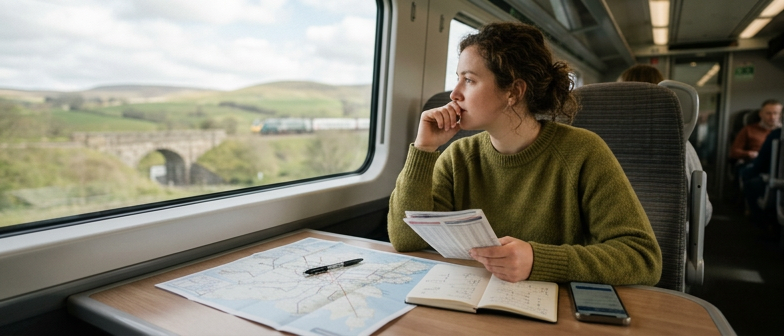
Understanding the Basics of Rail Trip Itinerary Planning
Rail trip itinerary planning starts with recognising how train travel differs from flying or driving. Instead of a single departure and arrival, a rail journey schedule is built from several segments, each with its own train number, departure time, and platform. You may combine regional, intercity, and high‑speed services in one route, so you need to see how they connect and how long you have between them. Tickets can be issued per leg or for the whole journey, and seat reservations may be separate from the basic fare, which influences how you organise your day‑by‑day plan.
When you begin train travel route planning, break the work into simple steps: choose your main cities, identify the lines between them, then select specific trains that match your preferred pace. A multi‑segment rail journey often involves several timed departures in one day, so you must watch connection times, understand station layouts, and note seasonal timetable changes. A clear itinerary records when to board, where to transfer, and how each train segment fits with accommodation, sightseeing, and other commitments, making the overall rail trip easier to follow.
Designing a Multi City Train Trip
Designing a multi city train trip begins with deciding whether you want fast point‑to‑point travel, slow exploration, or a mix. List the cities or regions that interest you and check how they are linked by rail before finalizing anything. Effective train travel route planning means checking mainline connections, direct services, and slower regional lines that might offer better departure times. As you shortlist destinations, make sure each stop adds something distinct, such as history, food, landscapes, or cultural events, so the itinerary feels varied.
With a draft list in place, refine the sequence and overall rail journey schedule. Move in a clear geographic direction to reduce backtracking and extra reservation costs. Use journey planners to note travel times between cities and sketch a realistic schedule that allows for delays and transfers. Anchor the plan with a few fixed dates, like a festival or museum visit, and keep other segments flexible. When comparing options, balance the convenience of direct express trains against the charm of slower routes that reveal smaller towns.
Balancing hours spent on trains with time on the ground is essential. If most rail segments are three to five hours, many travellers prefer at least two or three nights in each city to avoid rushing. Overnight journeys can save on accommodation but may leave you tired, so plan lighter activities after those legs. Consider grouping short hops on the same day to travel in the morning and still have an afternoon to explore. Review station locations, local transport, and timetable updates, then adjust the number of nights in each stop until the trip feels efficient yet relaxed.
| Route pattern | Typical traveller | Strengths | Trade‑offs |
|---|---|---|---|
| Hub‑and‑spoke | First‑time visitor based in one city | Simple planning, easy returns, flexible day trips | More backtracking, less variety between bases |
| Linear | Traveller moving steadily across a region | Clear direction, minimal backtracking, efficient schedules | Less convenient to return to starting point |
| Loop | Traveller wanting variety but same start and end | Mix of cities and routes, balanced travel and stays | More complex planning, risk of tight connections |
Balancing Travel Time and Sightseeing
When planning your rail journey schedule, decide how much of each day you want to spend on trains versus exploring. Many travellers prefer one or two train legs within a single block of three to five hours, which keeps the day focused and manageable. In your wider rail trip itinerary planning, longer rides work best earlier in the day so you arrive with daylight and have time to reach your accommodation or first activity without rushing.
To avoid overloaded days, add small time buffers around each departure and arrival, especially when you need to change platforms or stations. Leave at least a couple of unscheduled hours in most cities so you can absorb delays or spend longer at a sight. When you treat train segments, transfers, and local experiences as parts of the same plan, your schedule stays structured while still allowing spontaneous walks and meals.
Managing Train Station Transfers and Connections
Smooth transfers begin with careful train travel route planning. When designing your rail journey schedule, check how many changes you will make, where they happen, and whether they involve different operators or stations. Most journey planners show if a change is on the same platform, within one station, or requires a short walk or local transport. When choosing between options, weigh total travel time against the number of connections, and prefer a slightly longer but simpler route over a complex itinerary with many tight changes.
Connection times are central to stress free transfers on a multi city rail trip. Minimum transfer times in planning tools assume you already know the station, so add extra minutes if you are unfamiliar, travelling with children, or carrying heavy luggage. Allow more time when switching in major hubs, crossing borders, or moving between separate stations in the same city. These buffers make your rail journey schedule more reliable by covering delays, platform changes, and queues at ticket barriers, while still keeping your overall trip efficient.
At the station, managing a transfer is mainly about quick navigation and attention to information. On arrival, check departure boards and follow signs to your next platform, watching for last minute changes. If you must switch stations, factor in walking or local transit time and keep a simple train station transfer guide offline, such as a basic map or clear directions. Keep tickets, reservations, and essentials easy to reach so you can move without repacking, and listen to announcements so you do not miss updates to your onward connection.
Allowing Safe Buffer Times for Connections
When Rail Trip Itinerary Planning involves changing trains, many travellers prefer adding a buffer between services instead of relying on the tightest possible connection. A practical Train Station Transfer Guide suggests matching your transfer time to the station’s size and layout, expected crowds, and your confidence in walking quickly, reading signs, and asking staff for help. Longer gaps can ease stress if you are unfamiliar with the network, travelling with children or heavy bags, or simply prefer a calmer pace, while experienced passengers using straightforward, well‑signposted routes may feel comfortable with shorter changes when they clearly understand how to reach the next platform.
Incorporating Scenic Rail Travel Ideas
When you look beyond simply getting from A to B, rail trip itinerary planning often means weaving scenic stretches into a practical schedule. Start your train travel route planning with the fastest or most direct connections, then spot where a high-speed or overnight service could be replaced by a daytime regional train with better views. Many operators mark panoramic routes, coastal lines, and mountain corridors on their maps, and some online journey planners let you reroute to include specific segments. As you refine the itinerary, check journey times, daylight hours, and whether reservations are recommended on popular scenic sections so these highlight legs fit smoothly into your overall rail journey schedule.
Seasonality strongly influences which scenic rail travel ideas work best. Some lines shine in summer or autumn, while winter brings shorter days and possible disruption, even if snow-covered landscapes are appealing. To keep your Rail Trip Itinerary Planning realistic on a multi city train trip, limit the number of slower detours, especially when frequent hotel changes and train station transfers already require attention. Pick one or two standout sections and align them with rest days or shorter onward legs. Allow modest buffer time for photos, café stops near stations, or a later departure, so these showcase journeys stay relaxing without putting the rest of your plans under pressure.
Q&A
-
How do I start planning a rail trip if I usually fly?
Break the journey into train segments with times and platforms. Check if tickets and seat reservations are combined or separate, and note each transfer so your daily rail trip itinerary stays realistic. -
What’s a simple way to plan a multi‑city train route?
List your cities, then see which are linked by direct or mainline trains and which need regional links. Cut stops that feel similar and arrange the rail journey in a clear line instead of backtracking. -
How can I balance rail travel time with sightseeing?
Plan one or two rides per day, ideally 3–5 hours. Put longer legs earlier so you arrive in daylight, leaving time for walking, museums, or meals near your hotel. -
How much buffer time do I need for station transfers?
Add more time in large stations or if you have heavy bags or children. Confident travellers on familiar routes may accept short connections, but adding 10–20 minutes makes delays less stressful. -
What should I pack for a longer rail journey?
Use a focused railway travel packing list: a small day bag, water, snacks, clothing layers, chargers, offline tickets, and a basic first‑aid kit. Keep valuables in a secure pouch you carry with you.