
Daily Water Intake Basics and How to Track Your Hydration
Daily water intake can feel confusing when simple rules do not match your schedule, activity level, or thirst. This guide explains how to estimate your fluid needs, build realistic hydration habits, and use simple tracking and reminders without relying on strict numbers or complex apps.
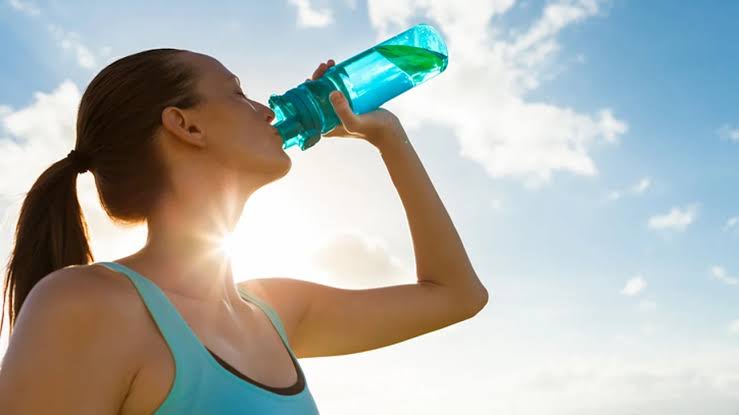
Why Daily Water Intake Matters
Daily water intake is about more than counting glasses. Water and other fluids move nutrients and oxygen through the blood, support digestion, cushion joints, and help control body temperature through sweating and breathing. Hydration habits also include what is counted as fluid; plain water, carbonated water, milk, and many unsweetened drinks contribute, and foods such as fruits, vegetables, and soups add smaller amounts. Drinks high in added sugars or alcohol are usually considered separately, because they may bring other health considerations beyond simple hydration.
The body does not store large reserves of water, so it continually loses fluid through urine, stool, sweat, and normal breathing. When intake does not match these losses, people may notice thirst, darker urine, dry mouth, or fatigue, though these signs differ among individuals. A steady daily routine for drinking fluids can make it easier to stay reasonably hydrated, but there is no single ideal volume for everyone. Needs change with age, body size, activity level, health conditions, and climate, so many people focus on consistent intake across the day and adjust when they are more active, in hotter environments, or feeling unwell.
How Much Water You Really Need
Daily water intake is not the same for everyone, and there is no single number that fits every body or lifestyle. Age, body size, activity level, climate, and health all affect how much fluid is useful. Simple rules such as eight glasses per day are only rough estimates. Total fluid includes plain water, other drinks, and the water found in foods such as fruits, vegetables, and soups.
Instead of aiming for one fixed amount, many people find it more practical to think in flexible ranges and to watch their routine. A moderate intake spread across the day often supports steady hydration, while very active people or those in hot environments may need more. Needs can change when you are ill, breastfeeding, or spending long hours outdoors. Personal habits, such as keeping water nearby or noting how often you drink, can help you notice whether you usually drink too little or more than you intended.
Simple signs are often more useful than chasing an exact figure. Light, pale-yellow urine, regular bathroom trips, and feeling generally alert may suggest you are well hydrated. Darker urine, dry mouth, headache, or unusual tiredness can signal that you may not be getting enough fluid. These clues are not perfect, and some medicines or health conditions can change them, so they should not replace medical advice. If you have fluid restrictions or questions about your own intake, discuss them with a health professional.
| Lifestyle Situation | Typical Hydration Pattern | Common Challenges | Helpful Hydration Habits |
|---|---|---|---|
| Sedentary day indoors | Steady, moderate sipping | Forgetting to drink for long stretches | Keep water visible on desk or counter |
| Active day with light movement | Regular drinks at meals and breaks | Relying only on thirst cues | Link small drinks to routine tasks |
| Hot weather or outdoor time | More frequent fluid breaks | Delaying drinking until very thirsty | Plan extra drinks before and after heat exposure |
| Exercise or sports session | Fluids before and after activity | Starting activity already low on fluids | Check urine color and sip around workouts |
Factors That Change Your Daily Water Needs
Daily water intake varies from person to person, so a single target does not work for everyone. Age, body size, and usual activity level all influence how much fluid is useful. Children, teens, and older adults may drink differently, smaller bodies typically need less total water than larger ones, and people who move a lot, stand for long shifts, or do manual work lose more fluid through sweat and breathing.
Environment and health also shape practical hydration habits. Hot, humid, or high-altitude conditions speed up fluid loss, and heated indoor air can do the same. Illness, some medicines, pregnancy, and breastfeeding change how the body handles water. Because these factors shift over time, it is more realistic to watch thirst, check urine color, and adjust drinking patterns than to chase a fixed daily number.
Planning a Practical Water Intake Schedule
A practical water intake schedule focuses on simple habits repeated through the day rather than strict rules. Many adults find it useful to drink a glass of water after waking, then spread the rest across meals and snacks instead of taking large amounts at once. Linking drinking to existing routines such as brushing teeth, commuting, or preparing coffee helps create steady hydration habits without constant attention or complex tracking tools.
Timing drinks around meals and daily tasks can make the pattern more comfortable. Some people prefer sipping during a meal, while others feel better drinking mostly between meals to avoid feeling too full. Work hours, commuting, and access to bathrooms all influence how evenly someone can space drinks, so a realistic plan allows for meetings, driving, and other situations where frequent restroom breaks would be inconvenient.
Adjusting the pattern over time is often easier than trying to adopt a perfect schedule immediately. If someone regularly forgets water in the afternoon, they can keep a bottle nearby or use a simple reminder on a phone or hydration tracker. On busy or very active days, extra fluid may be useful, but thirst, urine color, and overall comfort remain more important than hitting a precise number at a particular time. A workable schedule fits personal preferences, health considerations, and daily limits, and can be followed most days without feeling forced.
Adjusting Your Schedule for Work, School, and Sleep
Daily routines affect how manageable a water intake schedule feels, so it helps to link hydration to what you already do. People at desks can keep a bottle within reach and take small sips during emails, meetings, or study sessions, spreading fluid intake instead of relying on a few large drinks. Those who commute or move between classes can drink a glass before leaving one place and another on arrival, using these transitions as simple cues.
Evenings often lead to unplanned gulping that disturbs sleep. To reduce nighttime bathroom trips, many people gradually shift more drinking to earlier hours and ease off in the last one to two hours before bed, while still respecting thirst and any medical advice. On busy days, some variation is normal, so aiming for steady, moderate hydration over several days usually fits real schedules better than a rigid pattern.
Hydration During Exercise and Physical Activity
Hydration needs usually rise during exercise because the body loses water through sweat and faster breathing. For everyday activities such as walking, light gym sessions, or yard work, drinking according to thirst and spreading fluid intake across the day often supports overall daily water intake. People who begin activity already low on fluids, exercise in hot or humid conditions, or wear heavy gear may feel thirsty sooner and notice fatigue, headache, or darker urine, which can signal the need for more water.
Timing fluids can help organize a simple routine around physical activity. Many people find it useful to drink a glass of water within the hour before a workout so they are not starting dehydrated, then sip small amounts during longer sessions instead of taking in a large volume at once. After exercise, drinking water with a meal or snack can help replace sweat losses as part of a broader hydration pattern during the day rather than focusing on one large drink immediately afterward.
There is no single rule that fits every person or every workout, and general advice has limits. Fluid needs vary with body size, sweat rate, intensity, environment, and health conditions, and some people also lose notable amounts of sodium and other electrolytes in sweat. Very intense or prolonged exercise, especially in heat, may call for tailored guidance from a health care or sports nutrition professional, particularly for people with heart, kidney, or other medical concerns. Paying attention to thirst, urine color, and how you feel during and after activity can provide practical day‑to‑day feedback while recognizing that personalized evaluation is sometimes necessary.
Q&A
-
What counts toward my daily water intake besides plain water?
Plain and carbonated water, milk, unsweetened tea or coffee, and most soups all add to total fluids. Fruits and vegetables contribute smaller amounts as well. -
Is the “eight glasses a day” rule a reliable water intake target?
It is only a rough shortcut. Actual needs depend on body size, activity level, climate, and health, so some people need more and others less. -
How can I track my hydration without a complicated app?
You can use a marked bottle, count how many times you refill it, or link drinking to routines such as meals and breaks instead of logging every cup. -
How should I adjust a water intake schedule around work and sleep?
Spread drinks across the workday, keep a bottle nearby, and taper intake in the late evening if nighttime bathroom trips disturb your sleep. -
What is a simple approach to staying hydrated during exercise?
Begin activity already well hydrated, sip water according to thirst, and drink afterward to replace losses, especially in hot or humid conditions.