
Creating a Comfortable Home Reading Nook
If you’re trying to carve out a calm place to read at home, a well-planned nook can make it easier to focus and unwind. This guide walks through choosing the right corner, seating, lighting, and nearby book storage so a small space turns into a comfortable, dependable reading spot.
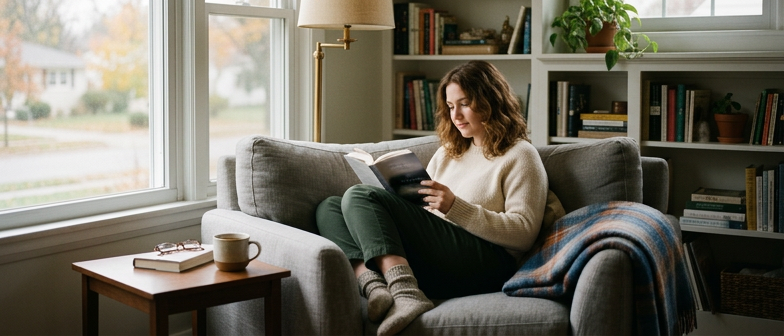
Clarifying Your Ideal Home Reading Nook
Before you buy furniture or rearrange a room, decide what you want from your home reading nook setup. Think about how you usually read: long quiet sessions with a novel, quick checks of work documents, or brief family story time. Your habits guide the reading corner ideas that will work. If you need deep focus, choose a spot tucked away from household traffic and noise. If you read while keeping an eye on kids or pets, a visible but calm corner in a shared space may be better. Clarifying these goals helps you avoid building a cozy-looking nook that does not match your daily routine.
Then look at practical limits such as square footage, light, and how the nook fits into the rest of your home. A small space reading nook might use a single wall, window seat, or spare corner instead of a whole room. Decide whether this area should stay flexible for other activities, and how much clutter you are willing to manage. Note any comfort needs like a supportive chair and a nearby surface for books or drinks, plus preferences for style and color. Balancing your reading habits, space, and comfort now gives you a clear direction before you choose specific furniture, lighting, or storage.
Choosing the Right Spot at Home
Start by noticing where you already like to sit and relax, since the best reading corner ideas build on existing habits. Choose a place with steady natural light, such as near a window, but avoid strong glare or direct sun that makes reading uncomfortable. Listen for daily noise and household traffic, and aim for a corner that feels calm at the times you usually read. In a shared room, the edge of a living area, a section of the bedroom, or even a quiet stair landing can work, as long as you can sit comfortably and keep distractions under control.
For a small space reading nook, define a single spot that clearly signals quiet time. A slim chair in a bedroom corner, a cushioned bench under a window, or a narrow strip beside a bookcase can become a dedicated reading area when paired with good lighting and a compact side table. Use existing walls, shelves, or changes in flooring to visually separate this nook from busier zones rather than adding new construction. Even a few square feet can feel intentional if you treat it as the place where you slow down and focus on a book.
| Home Location Scenario | Typical Reader or Household | Noise and Privacy Level | Space Efficiency | Notes for Comfort and Focus |
|---|---|---|---|---|
| Living room corner | Families reading while supervising kids | Moderate, varies by time of day | Medium, uses existing seating | Add focused lighting and set quiet-time signals |
| Bedroom corner | Solo readers seeking calm routine | Low, more private | Medium, works with slim chair | Use soft light and keep essentials within reach |
| Window bench or ledge | Readers who enjoy natural light | Low to moderate, depends on street activity | High, combines seating and storage | Control glare with shades and add cushion support |
| Beside bookcase in hallway | Readers in small homes with limited rooms | Moderate, near household traffic | High, uses narrow footprint | Define boundary with rug or small side table |
| Stair landing or loft edge | Readers comfortable with semi-open spaces | Moderate, open to other rooms | Medium, depends on layout | Ensure safe clearance and stable, compact seating |
Making the Most of Limited Space
In a small home, a reading nook works best in an unused corner or along a narrow wall. Look for a naturally quiet spot near a window, beside a bookcase, or at the end of a hallway. Choose compact seating, such as a small lounge chair, slim cushioned bench, or window seat, so you still get a defined reading corner without losing much floor space. Pair it with a small side table that holds your current book, a drink, and a lamp to keep the Home Reading Nook Setup practical and tidy. These simple reading corner ideas help a tight area feel planned instead of improvised.
To keep a Small Space Reading Nook from feeling cramped, use vertical surfaces and clean lines. Narrow shelves or wall ledges organize a short stack of favorite titles and support basic home library organization without clutter. A focused lamp or clip‑on light provides Book Lighting Setup that does not require a bulky floor fixture. Limit colors and add just a throw blanket and one or two pillows for comfort. With this quieter, streamlined approach, even a compact bedroom or studio can offer a calm spot for a quiet reading routine.
Seating, Comfort, and Support
Seating is at the core of any Home Reading Nook Setup because it shapes how long you can read without strain. A comfortable reading chair does not need to be large or costly, but it should suit the way you naturally sit. Some readers prefer a high back with armrests for upright posture, while others enjoy a lounge chair for stretching out with a blanket. When you test options, notice how your lower back feels, whether your feet rest flat on the floor or a footstool, and whether the seat is wide enough to shift positions. These checks help you choose seating that supports longer, quiet reading sessions.
Support matters as much as softness. Very plush chairs can feel inviting but may lack structure for your back, neck, and shoulders during extended reading. In a small reading corner, cushions and pillows can fine-tune support by filling the space behind your lower back or slightly raising the seat height. If you use a compact accent or dining chair to save space, adding a lumbar pillow and a folded throw can make it more comfortable over time. Rotating between a supportive chair, a cushioned bench, or a firm floor pillow against the wall can also reduce stiffness.
Comfort depends on how the chair works with the rest of the nook, not just how it feels alone. In a small space reading nook, movable or swivel seating lets you adjust your position with natural light and your book lighting setup. When you use a task or floor lamp, check that light falls on the page without shining into your eyes in your usual reading posture. Keep a small table close enough for drinks and books so you don’t have to twist or reach down too far. When seating, support, and nearby elements align, the nook gently encourages a steady home reading routine.
Supplemental Comfort Items
Once you have chosen a comfortable reading chair, small comfort upgrades can make the nook feel more inviting without overwhelming the space. A supportive cushion or lumbar pillow can ease pressure on your back during longer reading sessions, and a soft throw blanket adds warmth while signaling that this corner is meant for relaxation. In tighter layouts, a compact footrest or pouf gives you a place to stretch your legs without blocking pathways, helping the reading corner stay practical as well as cozy.
Lighting and Atmosphere for Reading
Thoughtful lighting is one of the most practical parts of a home reading nook setup because it determines how comfortable it feels to read for longer periods. Begin with book-focused lighting that illuminates the page without shining into your eyes. A floor or table lamp with an adjustable arm and a downward shade works well when placed slightly behind and to the side of your comfortable reading chair. Choose a warm, soft white bulb instead of harsh bluish light, and reduce strong shadows or glare on the paper. In a small space reading nook, such as a corner or alcove, confirm that the main light source actually reaches your book so you do not strain to see fine print.
Once task lighting is in place, the atmosphere helps you stay calm and focused. Gentle ambient light from a nearby lamp, wall sconce, or window keeps the area from feeling stark while letting your reading light remain primary. Dimmable fixtures or lower-brightness bulbs can support a quiet reading routine by making the nook feel separate from busier areas. Simple touches like neutral wall color, a small side table, and a spot to keep current books nearby keep things orderly without turning the nook into a full home library organization project. Aim for lighting, temperature, and sound to stay stable so you can sit down, open a book, and read without repeatedly adjusting the environment.
Q&A
-
How can I figure out what I really want from a home reading nook setup?
Notice how you usually read: long quiet sessions, quick work checks, or bedtime stories. Decide if you need privacy or to stay in sight of others, then pick a spot and layout that match those habits, not just the look. -
What are simple reading corner ideas for choosing the right spot at home?
Start where you already like to sit. Check for steady natural light and typical household noise, then choose a corner that feels calm at your usual reading time, such as one side of the living room or a quiet part of the bedroom. -
How can I set up a small space reading nook without making it feel crowded?
Use an unused corner or short wall, add a compact chair or bench, plus a slim side table and lamp. Keep only reading essentials so the nook feels clear and intentional instead of packed with extra items. -
What matters most in a comfortable reading chair and book lighting setup?
Choose a chair with lower back support and room for your feet to rest flat or on a footstool. Use a warm bulb in a lamp with an adjustable arm, placed slightly behind and to the side so light falls on the page, not your eyes. -
How do I keep a quiet reading routine and organize a small home library nearby?
Choose regular reading times when the home is naturally calmer and let others know you’re using that nook. Store favorite books on a nearby shelf, grouped by topic or author, so you can sit down and start reading quickly.