
What a Careful Used Car Walkaround Can Reveal
A used car inspection is less about finding one dramatic flaw than about reading many small signs together. Exterior condition, cabin wear, service records, and the way the car feels on a drive all help a buyer make a steadier ownership decision.
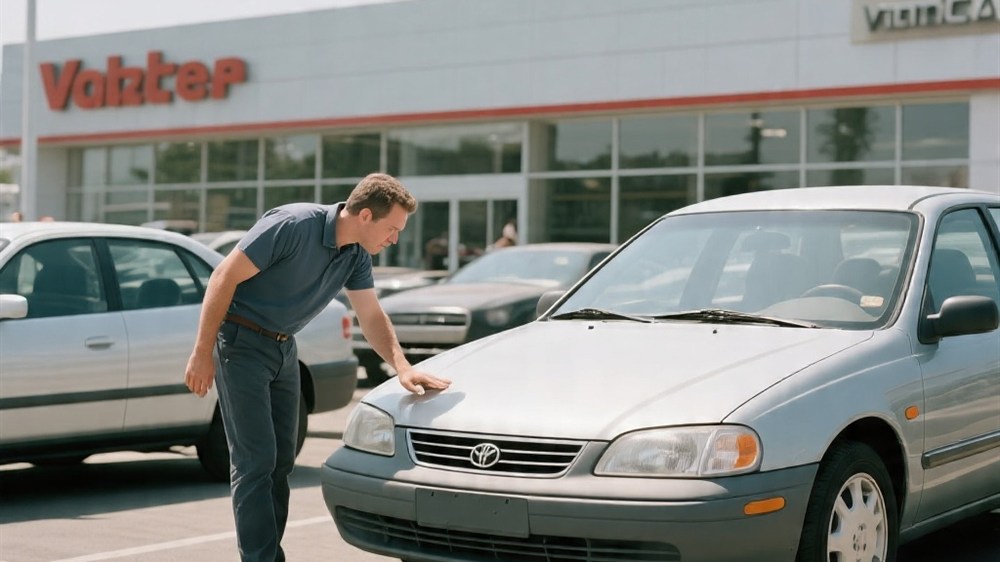
Buying a previously owned vehicle often feels like a conversation with its past. Paint marks, upholstery wear, service paperwork, and the way the car responds on the move all provide clues that are easy to miss when excitement takes over too early.
Start by reading the car before starting it
Used Car Inspection works best when the buyer slows down and gathers context before turning the key or pressing the start button. The first minutes around the vehicle can say a great deal about how it has been treated. Exterior Wear Signs such as mismatched panels, uneven paint texture, aged trim, or inconsistent gaps may not prove a serious problem, but they do suggest where closer attention is needed.
Cabin Check Points matter just as much because the interior often reflects day-to-day ownership. Seat surfaces, switch condition, odors, stains, and trim wear can reveal whether the car seems generally cared for or simply prepared to look presentable for a sale.
A calm first walkaround helps the buyer form questions rather than assumptions. That mindset is far more useful than rushing to a conclusion based on appearance alone.
Paperwork and mechanical feel should support each other
Service History Review is valuable because it shows whether the car's story makes sense over time. A tidy record does not guarantee perfection, but it often suggests a more consistent approach to upkeep. On the other hand, vague answers and missing maintenance context can make even a clean-looking vehicle harder to trust.
Engine Condition Basics should also be approached without drama. A buyer can listen for roughness, look for signs of neglected leaks or unusual residue, and observe whether the engine bay feels simply used or poorly maintained. The goal is not to perform a technician diagnosis in the parking lot. It is to identify whether the car gives the impression of steady care or deferred attention.
| Area checked | What can be learned | Why it matters |
|---|---|---|
| Body and paint | Possible repair history or rough use | Appearance clues may point to a deeper story |
| Cabin condition | How the car was treated day to day | Interior wear often reflects ownership habits |
| Service records | Whether maintenance seems consistent | Documentation can support trust in the vehicle |
| Engine bay and startup feel | General mechanical impression | Basic observations help guide further questions |
The drive often answers what the parking lot cannot
Test Drive Clues are essential because many concerns only appear once the vehicle is moving. Steering response, brake feel, cabin noise, shifting smoothness, and how the car settles over uneven pavement all help reveal whether it behaves in a calm and predictable way.
Used Car Inspection should always include ordinary driving situations when possible. A car may feel fine in a short straight line but reveal hesitation, vibration, or awkward responses during turns, stops, and low-speed maneuvers. Those details matter because they shape what ownership will feel like after the excitement of purchase fades.
Cabin Check Points also continue during the drive. Strange rattles, poor climate behavior, or controls that feel inconsistent can add useful context. The best test drive is not rushed. It is observant and patient.
Good buying decisions come from patterns, not one clue
Ownership Decision Tips become stronger when the buyer compares all the signals instead of searching for one decisive moment. A vehicle with modest cosmetic wear but strong records and a reassuring drive may be a better choice than one that looks polished yet raises doubts through noise, vagueness, or incomplete history.
Exterior Wear Signs, Service History Review, Engine Condition Basics, and Test Drive Clues all matter because each one checks a different part of the story. Confidence grows when those parts support one another. Concern grows when they do not.
This is why Used Car Inspection is really about pattern recognition. A careful buyer is not trying to predict everything. The buyer is trying to decide whether the available signs point toward honest, steady ownership or uncertain risk.
A slower inspection usually leads to a better outcome
The pressure to buy quickly can make any used car seem more convincing than it is. Slowing down allows the vehicle to reveal its condition more honestly. That is true whether the car is being sold privately or through a dealer.
When Ownership Decision Tips are grounded in observation rather than excitement, buyers are more likely to choose a car that feels right both on the day of purchase and after ordinary life begins. That steadier approach is often the difference between relief and regret.
QA
Is appearance alone a reliable way to judge a used car?
No. Clean presentation can be helpful, but it should be supported by records, mechanical feel, and a convincing test drive.
Why is a test drive so important if the car looks well maintained?
Some issues only appear in motion. The way a car steers, brakes, and settles on the road often says more than its parked appearance.
Can interior condition really tell me much about ownership?
Yes. Cabin wear often reflects day-to-day habits and can show whether the vehicle was treated consistently or carelessly.
What should I do if service history feels incomplete?
Treat that as a sign to ask more questions and proceed carefully. Missing history does not always end the conversation, but it does reduce certainty.
What is the most useful mindset during inspection?
Stay patient and gather patterns. A better decision usually comes from many observations working together rather than one dramatic discovery.