
Used Car Test Drive Checklist and Inspection Notes
Shopping for a used car can feel uncertain, especially when you only have one short test drive. A structured used car test drive checklist helps you plan a realistic route, track inspection notes, and compare brake, tire, and dashboard warning observations across different vehicles before deciding.
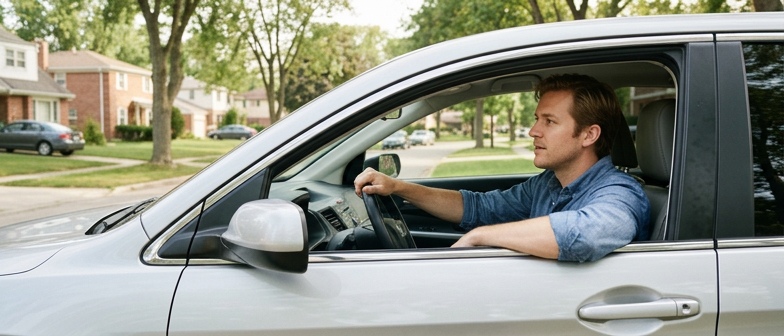
Why a Structured Used Car Test Drive Matters
A structured test drive is a practical way to evaluate a used car beyond first impressions. A clear checklist keeps your attention on how the vehicle starts, idles, accelerates, steers, and responds in common situations such as lane changes or stop-and-go traffic. Writing brief inspection notes during the drive helps you spot patterns, including unusual noises, vibrations, or changes in steering feel, that might be missed in a short, casual drive. This systematic approach cannot uncover every defect, but it increases the chance of noticing typical signs of wear or mechanical issues before making a decision.
Preparing questions for the seller and keeping a written record of what you observe can lead to more focused discussions about maintenance history and potential repairs. When you document impressions in a similar way for each car, you can compare how different vehicles behave under comparable conditions instead of relying on memory. A structured process also sets expectations for the experience, encouraging you to take your time and consider safety, comfort, and budget together. These habits help you narrow your options more confidently and decide whether a professional inspection or further evaluation is appropriate.
Preparing Before You Drive
Before starting a used car test drive, review the paperwork and walk around the vehicle. Ask to see the title, maintenance records, and repair receipts, and check that dates and mileage match the odometer and sales listing. During your visual inspection, look for uneven body gaps, signs of repainting, rust, and any fluid stains under the car, and note anything that seems unusual. Inside the vehicle, confirm that seats, seatbelts, mirrors, and basic controls work properly, and verify that the vehicle identification number on the dashboard matches the documents you have been shown so your inspection notes stay accurate.
Once the basic inspection is complete, outline key questions for the seller so you stay focused during the drive. Useful topics include how long they have owned the car, where routine maintenance has been done, whether there have been collisions or major repairs, and the reason for selling now. A simple purchase comparison sheet listing price, mileage, notable features, and your impressions of each car can help you review several options later without relying only on memory. Organizing your notes and questions in advance turns the test drive into a structured evaluation rather than a casual trip around the block.
| Preparation Step | Key Focus | Suggested Notes | Later Comparison Value |
|---|---|---|---|
| Paperwork review | Title and records consistency | Dates, mileage, ownership history | Helps screen out mismatched listings |
| Exterior walk-around | Body condition and leaks | Rust, repainting, fluid stains | Highlights cars needing closer inspection |
| Interior function check | Safety and comfort basics | Seatbelts, seats, mirrors, controls | Distinguishes well‑kept interiors |
| VIN verification | Document match | Dashboard VIN vs paperwork | Supports accurate comparison sheets |
| Seller question list | Use and repair history | Ownership length, repairs, reason selling | Clarifies risk level and maintenance patterns |
| Purchase comparison sheet setup | Side‑by‑side evaluation | Price, mileage, features, impressions | Keeps multiple used car options organized |
Documenting Inspection Notes and Questions
Use one inspection sheet for every used car so notes stay consistent. Include sections for exterior and interior condition, test drive impressions, and maintenance records. Write specific details such as date, mileage, paint damage, fluid leaks, uneven tire wear, and how the car behaves when accelerating, braking, and turning. Record any dashboard warning lights that appear so you can later compare which vehicles showed possible issues.
Create a simple purchase comparison sheet to review several cars side by side. For each vehicle, note price, mileage, model year, service and accident history, and an overall condition rating based on your inspection notes. Keep a section for questions about title status, past repairs, or remaining warranty, and add brief summaries of the answers or items that still need verification. This structure helps you evaluate options using documented information instead of quick impressions.
Planning an Effective Test Drive Route
A planned route helps you see how a used car behaves in situations similar to your daily driving, not just on a quick loop near the seller. Before you drive, think about your usual trips and design a route that includes city streets with stop-and-go traffic, a faster road or highway, and at least one area with curves or lane changes. This mix lets you feel how the vehicle accelerates, brakes, tracks in a straight line, and responds to steering. Pay attention to engine noise, vibration, visibility, and comfort at different speeds and on rougher surfaces, and make short notes so you can compare this car with others later as part of your overall test drive checklist.
Safety and practicality should guide your route planning. Choose familiar roads where you can test merging, passing, and parking without heavy pressure from traffic. Include a quiet side street or parking lot to practice low-speed maneuvers such as backing up, tight parking, and three-point turns, which can reveal issues with turning radius, mirrors, or camera systems. Allow enough time to repeat parts of the route if something feels wrong, like a pull in the steering or hesitation when accelerating. If the seller rides along, share the route in advance and confirm you are comfortable with these conditions so you can calmly judge whether the vehicle fits your routine.
Matching the Route to Your Real-World Driving
Plan a test drive route that reflects your normal driving so the car is assessed in realistic conditions. For frequent city commuting, focus on stop-and-go streets, tight turns, and rough pavement to observe transmission response, steering feel, and suspension comfort. If you often use highways, include on-ramps, lane changes, and steady cruising at typical speeds to check engine power, noise levels, and how stable the vehicle feels. For errands or school runs, spend time in parking lots and narrow residential streets to judge low speed maneuvering and ease of parking. Matching the route to your habits helps reveal whether the vehicle feels comfortable, predictable, and suitable for your everyday use.
On-the-Road Mechanical and Safety Checks
Once the vehicle is warmed up and you are in traffic, focus on how it accelerates, shifts, and stops. The engine should respond smoothly to the gas pedal without hesitation, surging, or unusual knocking or whining sounds. As the transmission changes gears, watch for hard shifts, slipping, or delayed engagement, especially when merging or climbing hills. During braking, the pedal should feel firm and consistent rather than spongy, pulsating, or sinking. Notice whether the car pulls to one side or the steering wheel shakes when you brake, because this can suggest issues with the braking system or tires that may require professional inspection.
As you follow your test drive route, evaluate how stable and predictable the car feels at different speeds. On a straight, smooth road, briefly loosen your grip on the steering wheel to see whether the vehicle tracks straight or drifts, which can point to alignment or tire problems. Make gentle steering inputs and listen for clunks, squeaks, or rubbing sounds that may indicate wear in steering or suspension components. Over bumps and rough pavement, note whether the ride stays controlled or feels excessively bouncy, and whether the body leans more than expected in corners. These observations help you record practical inspection notes on handling and comfort.
Throughout the drive, watch the dashboard for warning lights such as the check engine indicator, ABS or brake alerts, tire pressure warnings, and airbag symbols. A light that appears or stays on is a reason to ask for diagnostic information or an independent mechanical review. At varying speeds, listen for humming or rhythmic noises from the tire and wheel area and pay attention to vibration during lane changes. Before ending the drive, practice parking, backing up, and tight turns to check for unusual noises, steering stiffness, or brakes that grab at low speed. Adding these mechanical and safety points to your test drive checklist supports comparison with other used vehicles.
Q&A
-
What is the main benefit of using a structured used car test drive checklist?
It helps you focus on how the car starts, drives, steers, and stops in different conditions, and keeps your notes organized so you can compare vehicles more objectively. -
Which documents should I review before a test drive?
Ask for the title, maintenance and repair records, and compare dates and mileage with the odometer and listing. Confirm the VIN on the dashboard matches the paperwork. -
What should I include in my vehicle inspection notes?
Record the date, mileage, exterior and interior condition, any leaks, tire wear, how it accelerates, brakes, and turns, plus any dashboard warning lights you notice. -
How do I plan a realistic test drive route?
Include streets similar to your daily driving: stop‑and‑go traffic, a faster road or highway, some curves or lane changes, and, if relevant, parking lots or tight residential areas. -
How can a purchase comparison sheet help with used car questions?
A comparison sheet lets you line up price, mileage, condition notes, brake and tire observations, and any concerns so you can review options calmly after the test drives.