
The Driving Mindset That Lowers Stress on Busy Roads
Defensive driving is often misunderstood as timid driving, when it is really a disciplined way of seeing risk early and responding smoothly. This article examines how awareness, spacing, calm judgment, and anticipation help drivers move more safely through ordinary traffic situations.
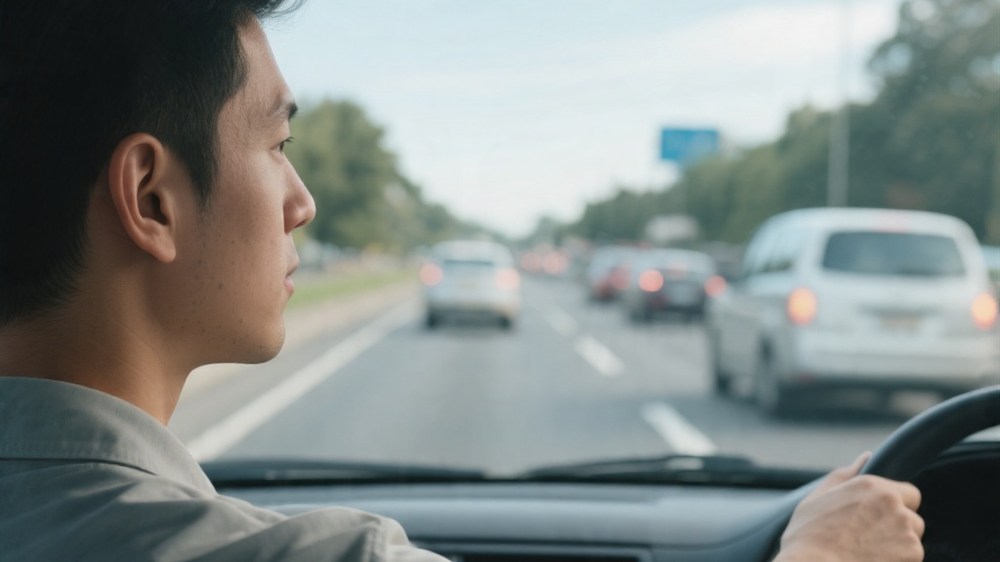
Good driving often looks unremarkable from the outside. The smooth lane change, the early lift off the accelerator, and the calm reaction to another person's mistake all come from attention that is quiet, steady, and focused on what might happen next.
Safety begins before anything goes wrong
Defensive Driving Habits are built on anticipation rather than fear. The purpose is not to assume disaster at every moment, but to stay aware enough that ordinary traffic surprises feel manageable. Drivers who think ahead usually make calmer decisions because they are not reacting at the very last moment.
Road Awareness Skills form the foundation of this mindset. A driver is constantly reading lane behavior, pedestrian movement, changing road surfaces, and the pace of surrounding vehicles. This does not require tension. In fact, the best awareness often comes from a calm scanning habit that takes in the wider picture without locking onto a single distraction.
Safe Following Distance is one of the clearest expressions of defensive thinking. Space gives the driver time to notice, interpret, and respond. Without enough room, even small traffic changes can feel abrupt. With room, the same situation often becomes a simple adjustment rather than a stressful emergency.
Reading traffic is different from merely watching it
Traffic Flow Reading means understanding how movement develops, not just seeing the car directly ahead. A driver who notices merging pressure, uneven speeds, blocked sightlines, or hesitation at intersections can prepare early. That preparation reduces harsh braking, sudden swerves, and impulsive choices.
Hazard Response Timing grows out of this broader reading. The safest response is often the one made slightly earlier and more gently. By the time a hazard looks dramatic, the best options may already be gone. Defensive Driving Habits therefore rely on recognizing patterns before they become urgent.
| Road situation | Less defensive reaction | More defensive reaction |
|---|---|---|
| Dense traffic with frequent braking | Follow the pace too closely | Leave room and expect speed changes |
| Unclear merging behavior | React late and sharply | Notice cues early and adjust smoothly |
| Aggressive driver nearby | Compete for position | Protect space and avoid escalation |
| Busy intersection | Focus only on signal change | Scan for delayed movement and conflicting actions |
Defensive driving is not slow driving
Everyday Driving Safety is often confused with hesitation, but the two are not the same. Defensive drivers can move efficiently and confidently. What sets them apart is that they avoid unnecessary conflict with the road. They choose positioning, spacing, and timing that reduce pressure on themselves and others.
Road Awareness Skills support smoother travel because the driver is less likely to be surprised. Safe Following Distance makes lane changes and braking more measured. Traffic Flow Reading reduces the urge to force gaps or rush decisions. Together, these habits make driving feel more controlled, not more timid.
Hazard Response Timing is particularly important in ordinary situations that do not look dramatic at first glance. A distracted pedestrian, a driver drifting within a lane, or a vehicle preparing for an abrupt turn all send signals before the actual problem appears. Defensive thinking notices these signals and responds while options remain open.
The emotional side of safer driving
Calm Driving Decisions do not happen by accident. They depend on how a person manages frustration, impatience, and the desire to prove a point on the road. Many risky situations are made worse by emotion rather than by road design alone. When a driver refuses escalation, space and judgment are easier to maintain.
Defensive Driving Habits therefore include inner discipline as much as outward technique. A driver may know the rules of safe positioning and still abandon them when annoyed. Everyday Driving Safety becomes more reliable when the person behind the wheel values a smooth outcome more than a fast emotional reaction.
The strongest drivers often look the least dramatic
Many of the best decisions on the road are almost invisible. They appear as patience at the right moment, space left on purpose, or a quiet decision not to force an uncertain situation. Defensive Driving Habits work precisely because they reduce the need for dramatic correction.
When Safe Following Distance, Traffic Flow Reading, Hazard Response Timing, and Calm Driving Decisions become part of a driver's normal style, the road often feels less chaotic. The goal is not flawless control over every situation. It is steady judgment that keeps ordinary risks from turning into avoidable danger.
QA
Does defensive driving mean always driving more slowly than everyone else?
No. It means driving with awareness, space, and anticipation. A defensive driver may match traffic reasonably well while still making safer choices about timing and positioning.
Why is following distance such a central habit?
Because space creates time, and time supports better judgment. With more room, drivers can respond smoothly instead of reacting in panic.
Can calmness really improve safety that much?
Yes. Calmness helps preserve attention and decision quality. When people stop trying to win small road conflicts, they usually leave themselves more options for safer outcomes.