
Learning the Road Ahead: Senior Mobility Education That Keeps Independence in Motion
Across the country, new learning opportunities are helping older adults stay confident on the move—whether navigating buses, planning safer walks, or adapting daily routines at home. Blending local services, tailored training, and creative movement programs, these resources turn knowledge into everyday freedom and safer, longer-lasting independence.
Seeing Change Clearly: Why Learning Supports Ongoing Freedom
From “I can’t anymore” to “I need new strategies”
Later life often brings subtle shifts in vision, balance, memory, and reaction time. A route that once felt simple may suddenly seem tiring or confusing. Without clear information, it is easy to mistake these changes for personal failure instead of normal signals that call for new approaches. Learning spaces help reframe the story: the goal is not to prove capability, but to refresh the “user manual” for everyday movement. This mindset protects mood, social life, and confidence, turning adjustment into a sign of wisdom rather than decline.
Understanding body, streets, and rules together
Many frustrations arise not from walking or riding itself, but from gaps in understanding. If someone does not realize how glare affects depth perception, or how new intersections are designed, every crossing can feel risky. Classes and workshops gently unpack topics like sensory change, street design, updated road rules, and assistive tools. When each element is explained in plain language and then practiced in real settings, the whole trip feels more manageable. Instead of facing a vague, scary “outside world,” people gain specific skills for specific situations.
The confidence that comes from shared learning
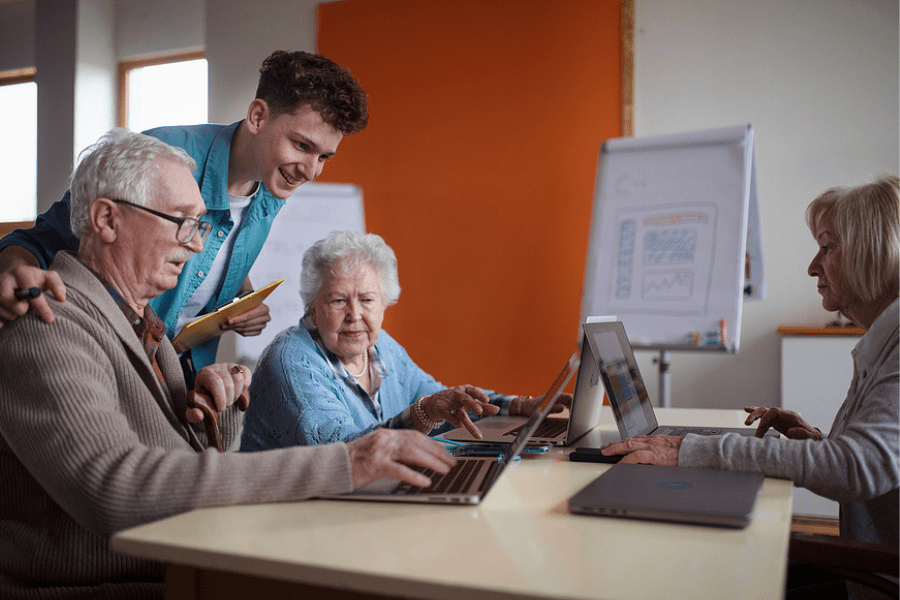
Discussing mobility can feel embarrassing, especially with younger family members who are fluent in apps, maps, and new services. Group learning softens this. Sitting with peers who share similar worries—night driving, long waits at bus stops, fear of falling—creates a sense of “I’m not the only one.” People trade practical ideas, like choosing quieter routes or using simple smartphone features, and learn how others negotiated changes with family. This shared experience often matters as much as the technical information, because it restores a feeling of belonging and personal voice.
What Changes, Exactly? From Steering Wheel to Sidewalk
Senses, reactions, and mental load
Eyes may struggle more in dim light, bright headlights may feel harsher, and reading distant signs can take extra effort. At the same time, reactions slow slightly; an extra second to decide is harmless in conversation but significant during complex crossings or turns. Memory and attention changes also add pressure: juggling directions, signals, and traffic can become draining. Recognizing these patterns early lets people choose simpler routes, calmer times of day, and clearer landmarks, lowering stress without giving up trips.
Balance, strength, and fear of falling
Uneven pavements, curbs, or crowded platforms can erode confidence. People may start staring only at their feet, tightening the shoulders, and shortening steps. This is not just “nerves”; it reflects shifting balance systems, muscle strength, and joint comfort. Without guidance, many either push ahead at old speeds or retreat indoors. Targeted learning—about footwear, pacing, rests, and basic balance exercises—turns fear into a practical plan. Instead of “I must avoid walking,” the message becomes “I walk differently and more safely.”
When driving raises tough questions
For many, driving symbolizes independence. Small scrapes, missed signs, or panic in unfamiliar areas can spark tension with family long before they spark conversation with professionals. Neutral, supportive assessments help turn arguments into joint problem‑solving. Trained observers can ride along, explain what they notice, and suggest changes such as avoiding certain junction types, driving only in daylight, or shifting some trips to other options. The focus stays on preserving safe choices, not on “passing” or “failing” a test.
What to Learn: A Practical Map of Skills
Updating skills behind the wheel
Driving‑focused sessions review modern road layouts, in‑car safety features, and common high‑risk situations. Participants explore how vision, medications, and fatigue affect lane changes, merging, and turning. Instead of simply repeating old tests, instructors connect advice to real routines such as shopping trips or visits with friends. People leave with tailored ideas: choosing calmer routes, allowing more time, setting clear personal rules for weather and night travel, and planning backup options rather than stopping all trips at once.
Moving on foot and using supportive equipment
Many older adults hesitate to use canes, walkers, or scooters, fearing labels. Education reframes these tools as “radius extenders”: ways to visit larger parks, complete longer errands, or join social events without exhausting the body. Sessions cover fitting height, safe hand positions, turning, and handling slopes or curbs. Practice starts indoors, then extends outdoors, so people can feel how the right device reduces strain. Instead of shrinking life to match discomfort, equipment is used to expand what remains comfortably possible.
Making shared and public transport feel manageable
Buses, trains, shuttles, and ride services can be lifelines, but unfamiliar systems and rushed crowds create anxiety. Programs walk through boarding, seating choices, signaling stops, and communicating needs. Role‑plays allow people to practice short, clear phrases with drivers, plan for schedule changes, and decide when to ask for priority seating. Visual aids and simple checklists help users prepare tickets or passes ahead of time. Once procedures feel predictable, many who had stopped leaving home alone rediscover the freedom of getting around without driving.
Reading environments and planning routes
Another valuable skill set involves scanning streets with a “safety lens.” Guided walks help participants compare different crossings, curb designs, lighting levels, and sidewalk surfaces. People learn to spot where to rest, where visibility is best, and which side of the street feels calmer. Over time, each person builds a personalized “comfort map” of local options. This reduces last‑minute stress and encourages more trips, because choosing a destination also comes with clear ideas about how to reach it comfortably and how to adapt if energy drops.
| Learning focus area | What it builds for older adults | Typical real‑life result |
|---|---|---|
| Driving refreshers | Awareness of limits, updated road knowledge | More selective, calmer driving rather than sudden stopping |
| Walking and aids | Confidence with balance and tools | Longer outings with less pain and fear of falling |
| Shared transport skills | Comfort with systems and staff | Wider access to activities without relying on family cars |
| Route and environment reading | Ability to spot safer options | Fewer stressful surprises during everyday trips |
Short, repeated practice in these areas gradually creates a layered sense of safety: body awareness, tool skills, and environment reading all supporting one another.
Where Learning Happens: From Rooms to Neighborhoods
Small groups, big impact
Many older adults feel most at ease in small, in‑person groups hosted by familiar community venues. Sessions often mix brief talks with demonstrations and questions, then move outside for real‑world practice. A class may discuss safe crossing indoors, then cross nearby streets together, noticing signal timing and making eye contact with drivers. These experiences shift knowledge from the page to the pavement.
Events, “try‑outs,” and low‑pressure tasters
Not everyone is ready to commit to a full course. Short events, such as mobility “open days” or theme weeks, let people sample assessments, try different aids, or sit in adapted vehicles. The atmosphere is usually informal and curious rather than clinical. Participants can quietly observe, ask a few questions, and decide later whether to join longer programs. This gentle introduction respects pride and privacy while still opening doors to future support.
Everyday community supports
Some communities form walking groups that choose friendly routes and share tips while strolling. Others maintain simple lists of “easier paths,” highlighting places with even surfaces and good lighting. Informal ride‑sharing circles, where neighbors coordinate lifts for common destinations, also reduce isolation. None of these require formal registration, yet they keep older adults moving and connected. The message becomes: “There are many ways to go out, and you don’t have to figure them out alone.”
Involving family without taking over
Well‑designed programs often invite relatives or caregivers to selected sessions. Hearing the same explanations together reduces conflict and helps everyone agree on practical boundaries—such as no solo night driving, or always using a specific entrance with fewer steps. Families learn how to offer help without simply removing keys or insisting on control. Older adults, in turn, gain allies who understand their priorities and are better able to support negotiated changes instead of issuing sudden bans.
| Role in the support network | Helpful behaviors | Effect on older adult |
|---|---|---|
| Instructors and facilitators | Explain changes respectfully, offer choices | Learning feels empowering, not judgmental |
| Peers in groups | Share stories, model adaptations | Normalizes adjustment, reduces shame |
| Family and friends | Listen, plan together, avoid ultimatums | Makes safety decisions feel shared, not forced |
| Local services | Provide clear signs, patient assistance | Encourages continued use of community spaces |
This web of roles helps turn mobility education into a shared project, spreading responsibility across many shoulders.
Turning Lessons into Lasting Habits
Small check‑ins instead of big crises
Often, people sign up for help only after a scare—a fall, a minor collision, or getting lost. Regular self‑check questions can catch issues earlier: “Am I more tired after routine drives?” “Do I hold railings more often?” “Do busy stations feel overwhelming now?” Honest answers indicate where to focus fresh learning. Adjustments then happen while confidence is still relatively strong, rather than after a serious event forces drastic change.
Building routines that fit real life
Sustainable change grows from modest, realistic goals. That might mean always checking the weather before planning a long outing, or practicing balance exercises while brushing teeth. It might involve choosing one new route each month to gently stretch comfort zones, or pairing every social plan with a transport plan that feels safe. By anchoring small actions to existing routines—mealtimes, phone calls, regular appointments—habits form without demanding large chunks of extra time or energy.
Staying flexible as needs shift
Abilities can improve with practice and then fluctuate due to illness, new medication, or simple fatigue. A flexible mindset accepts these ups and downs. On stronger days, someone might drive to a gathering and walk two extra blocks; on tougher days, they might request a ride and shorten the walk. The key is retaining decision‑making power: choosing the safer option on that day, with that body, rather than clinging to one fixed idea of independence.
Independence as shared navigation, not solo struggle
At its heart, continued mobility is about remaining part of the world—visiting friends, volunteering, shopping, or simply sitting on a bench in the sun. Classes, tools, and community supports all exist to keep that connection possible for longer. Even when driving is reduced or walking slows, older adults can still shape how, when, and with whom they travel. Ongoing learning acts like a steady lantern on this path: it cannot remove every bump, but it makes each next step easier to see and easier to choose with confidence.
Q&A
-
What are Community Learning Programs for older adults and why do they matter for mobility and safety?
Community Learning Programs are local, often free or low‑cost classes that teach older adults how to use transport, plan safe routes, and access support services, helping maintain independence and reduce isolation. -
How do Mobility Awareness Classes differ from general exercise or fitness sessions?
Mobility Awareness Classes focus on navigating real‑world environments—like buses, crossings and uneven pavements—combining light physical practice with route planning, fall‑risk recognition and confidence‑building in public spaces. -
What types of Transportation Learning Tools are most effective for seniors new to digital technology?
Simple visual tools, like large‑print transit maps, step‑by‑step app guides, and video walk‑throughs of ticket machines, work best, especially when paired with hands‑on practice and patient, small‑group coaching. -
How can Practical Safety Education be integrated into Older Adult Support Workshops?
Workshops can simulate everyday scenarios—boarding buses, crossing roads, dealing with strangers—then teach concrete responses, such as how to ask for help, report hazards, and safely manage mobility aids. -
In what ways does Independence Focused Education improve long‑term quality of life for older adults?
By teaching route planning, risk assessment and self‑advocacy, Independence Focused Education delays dependence on carers, supports mental well‑being, and encourages ongoing participation in community life and activities.