
From Unsteady Steps to Steady Days: Everyday Moves That Quietly Prevent Falls
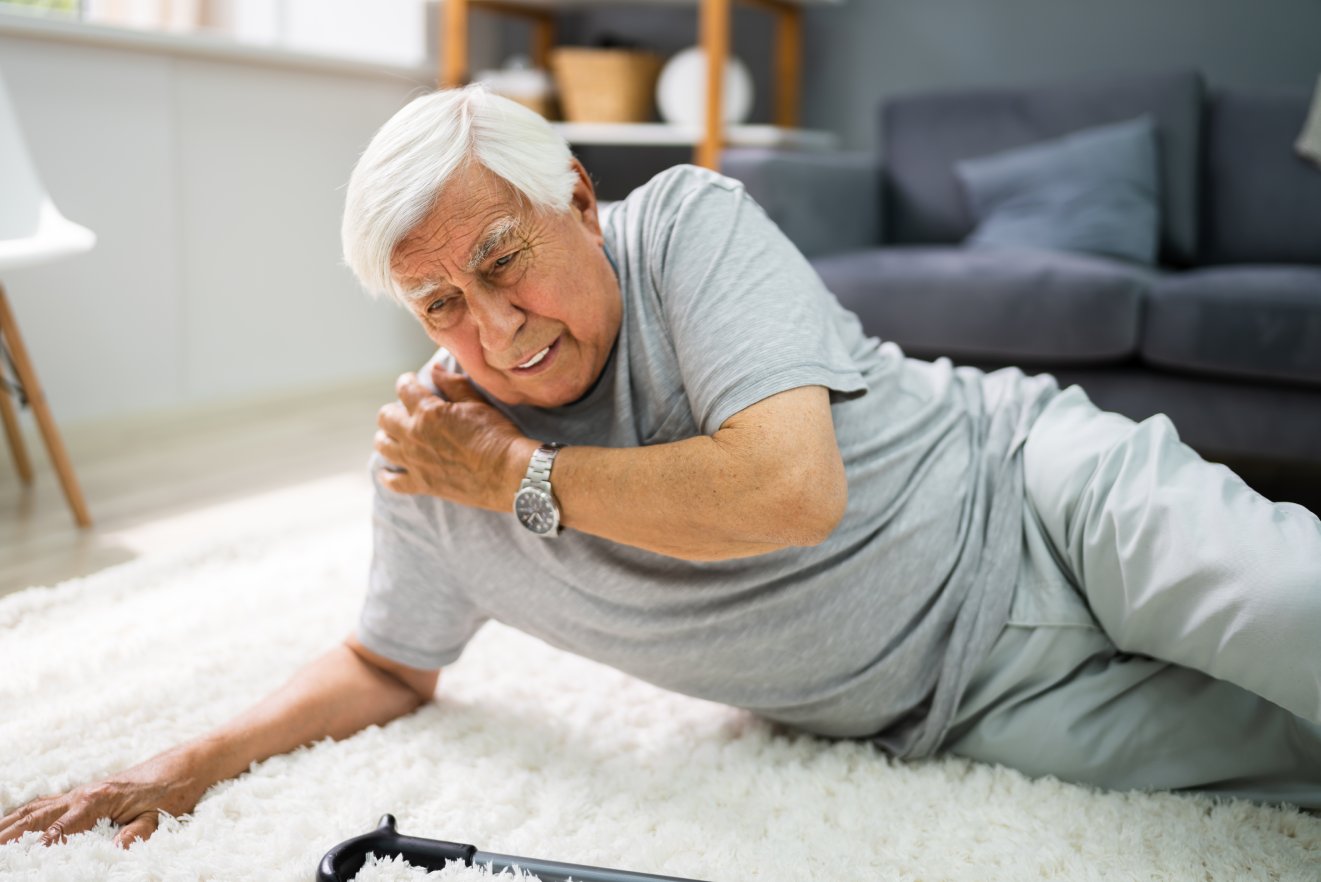
A small stumble on the way to the bathroom, a wobble rising from a favorite chair—these quiet moments can change everything for an older adult. Yet simple, repeatable moves practiced at home can strengthen legs, sharpen coordination, and turn uncertain steps into relaxed, everyday independence.
1. Why small daily moves shape safer days
Noticing the story inside each ordinary step
A misjudged turn in the hallway or a rushed stand‑up from a low chair often begins as nothing more than a tiny wobble. Yet these small moments reveal how rested the body is, how strong the legs feel, and how well balance systems are coping. When steps become shorter, slower, or more shuffling, the body is usually trying to stay safe, but it may also be edging closer to a stumble. Paying attention to these quiet signals during normal routines—getting out of bed, walking to the bathroom, crossing the kitchen—helps spot changes before they become emergencies.
How confidence and movement feed each other
When everyday movements feel smooth, people are more willing to get up, potter around the house, step into the garden, or visit a neighbor. This creates a helpful loop: more movement builds strength and coordination, which makes moving feel safer, which then encourages even more movement. Fear breaks that loop. Worry about “going over” can lead to sitting longer and doing less, which gradually weakens muscles and slows reactions. Gentle, repeatable actions that feel achievable—rather than intense workouts—are usually the best way to restart this positive cycle.
Turning “exercise” into something that feels natural
Many older adults dislike the idea of formal workouts, but respond well when ordinary tasks become low‑pressure practice sessions. Standing from a chair, turning carefully at the sink, stepping over a doorway edge, or walking a calm lap of the living room all double as training. Small tweaks—slowing down turns, planting feet firmly before rising, lifting toes a little higher—quietly teach the body safer patterns. Over weeks, those patterns become the new normal, and what once felt shaky starts to feel routine again.
2. Understanding the body’s quiet balance signals
What changes in walking often whisper
Walking style often shifts long before a fall. Steps may grow shorter, pauses appear between strides, or one foot lands more heavily than the other. The upper body might sway more from side to side, or the feet may drift wider apart to feel steady. Hands might reach for furniture more often, or there may be hesitations before starting to walk. None of these changes mean a fall is guaranteed, but together they hint that the body is working harder to stay upright. Treating them as useful feedback, not failure, opens the door to early, gentle adjustments.
Using simple technology as an extra pair of eyes
Many people already keep a small device in a pocket or on a belt. Its built‑in motion sensors can quietly track how fast someone walks, how often they stop suddenly, and how much steps vary. Over time, software can learn what “normal” looks like for that person: perhaps slow and steady, perhaps quicker with longer strides. When patterns shift—more stumbles, slower pace late in the day, jerkier turns—the system can flag a change. The alert is not a prediction of disaster, but a nudge to check in, rest more, adjust routines, or seek advice if needed.
From early signs to timely action
These early signals are most powerful when they lead to simple steps, not panic. A steady increase in pauses or wobbles might suggest that medication, hydration, or sleep needs a review. New discomfort in hips, knees, or feet may call for different footwear or a chat with a health professional. A home route that once felt easy may now need better lighting or extra support. Responding when the first hints appear—rather than waiting until after a fall—makes changes smaller, more manageable, and less frightening for everyone involved.
3. Making home routes kinder to legs and balance
Clearing and lighting the “everyday paths”
The most important walking routes at home are usually short: bed to bathroom, chair to kitchen, front door to mailbox. These paths should feel obvious and uncluttered. Loose shoes, footstools, cords, and small rugs can all turn into hidden traps, especially under dim light. Removing or securing them reduces the number of surprises underfoot. Soft, even lighting along these routes—particularly at night—helps the eyes read floor levels correctly and reduces the urge to rush. Motion‑activated night lights near the bed, hallway, and toilet can make sleepy trips feel calmer and more controlled.
| Home route feature | Helpful choice | Less helpful choice |
|---|---|---|
| Floor coverings | Firm, low‑pile surfaces with edges fixed flat | Thick, loose rugs or overlapping mats that can ripple or curl |
| Night‑time visibility | Soft lights that come on automatically on key routes | Total darkness or very harsh single lights that create deep shadows |
| Clutter on walking paths | Clear, wide space with predictable furniture positions | Piles of magazines, movable stools, or storage boxes in narrow areas |
| Hand support along routes | Sturdy furniture or rails placed where hands naturally reach | Wobbly tables, light chairs, or nothing within easy grabbing distance |
Briefly walking each route with “fresh eyes” every few weeks—imagining using a stick or walker, or being slightly dizzy—often reveals small tweaks that can cut risk without changing the character of the home.
Handy supports that don’t feel like a hospital
Supports work best when they feel natural and easy to reach. Grab rails by the bed, favorite chair, bathroom door, and shower entrance provide confident “anchors” where balance is often most challenged. Lever‑style door handles are kinder to stiff hands than round knobs and allow one‑handed opening while the other hand holds a rail. Low threshold ramps between rooms smooth level changes that can catch toes or walkers. On stairs, sturdy rails on both sides give options: one hand for stability, the other for a cane or to carry light items more safely.
Choosing shoes that help, not hinder
Indoor and outdoor shoes play a quiet but powerful role. Securely fitting footwear with firm heels, closed backs, and soles that grip without sticking helps feet feel planted on different surfaces. Very soft, squishy soles can blur the body’s sense of where the ground is; slippery socks on hard floors remove vital friction. Shoes that are easy to fasten—such as straps or elastic closures—encourage people to wear them properly rather than shuffling in loose slippers. Comfortable, supportive footwear often reduces joint discomfort, which in turn encourages more walking and less guarded, stiff movement.
4. Simple movements that build steadier legs
Strength from the chair: easy leg and hip practice
The chair can become a small “training station” without ever leaving the living room. Seated knee lifts, where one leg at a time is slowly straightened and lowered, strengthen the muscles needed for standing and climbing steps. Gentle heel digs and toe taps wake up the ankles and feet. A powerful next step is repeating sit‑to‑stand movements: planting both feet firmly, leaning slightly forward, standing up in a controlled way, then sitting back down slowly. Starting with hands on armrests and progressing toward using the legs more builds exactly the strength used in daily transitions.
Balance practice in everyday moments
Balance can be trained in tiny doses throughout the day. Standing at the sink or worktop, lightly holding on, a person can practice narrowing the stance a little, then widening again, teaching the body to manage smaller bases of support. Short periods of one‑foot standing with a hand on a counter—just lifting the other foot a little off the floor—encourage the ankles and hips to react quickly. Slow, deliberate turns, rather than sudden spins, during normal tasks help the body learn a calmer turning style that is kinder to inner‑ear and eye systems.
Using doors and hallways as practice zones
Doorways make excellent safe “frames” for movement. Standing within a doorway, hands resting on each side, a person can step forward and back, or side to side, feeling how weight shifts from one leg to the other. Hallways are perfect for short practice walks: focusing on lifting the feet rather than shuffling, placing each step under the body rather than too far ahead, and pausing if breath or balance feels strained. A few focused laps like this, once or twice a day, can gradually turn an uncertain corridor into a familiar, trusted route.
| Gentle movement idea | Where it fits best | What it quietly trains |
|---|---|---|
| Seated knee lifts | While reading or watching TV | Thigh strength for standing and climbing |
| Slow sit‑to‑stand repeats | From a sturdy chair with armrests | Power and control for all “getting up” actions |
| Supported one‑foot stands | Beside a kitchen counter or sink | Ankle reactions and overall balance |
| Calm hallway laps | Along the safest, clearest indoor route | Walking rhythm, endurance, and confidence |
Q&A
-
How can I create safer walking routines in my daily schedule without feeling restricted?
Start by mapping familiar, well‑lit routes, planning regular rest points, avoiding rushing, and pairing walking with everyday tasks like errands, while gradually increasing distance so it feels natural rather than limiting. -
What are simple balance support habits I can practice at home without equipment?
Incorporate brief daily drills like standing on one leg near a counter, heel‑to‑toe walking along a hallway, and slow controlled sit‑to‑stand repetitions to steadily train balance and body control. -
How does home movement awareness reduce the risk of slips and near‑falls indoors?
By consciously noticing floor surfaces, clutter, lighting, and pet locations, and pausing before turns or steps, you can adjust speed and posture early, preventing many common trip and slip scenarios. -
What stability-building activities are suitable for beginners who feel unsteady?
Start with chair‑assisted mini‑squats, side‑steps along a countertop, gentle calf raises holding a chair, and weight shifts from one leg to the other, progressing only when movements feel smooth and controlled. -
How do supportive footwear choices influence confidence in transitions like stairs or curbs?
Shoes with firm heel counters, non‑slip soles, secure fastening, and low, wide heels improve ground contact and feedback, making it easier to judge steps, clear edges, and move between surfaces more confidently.